
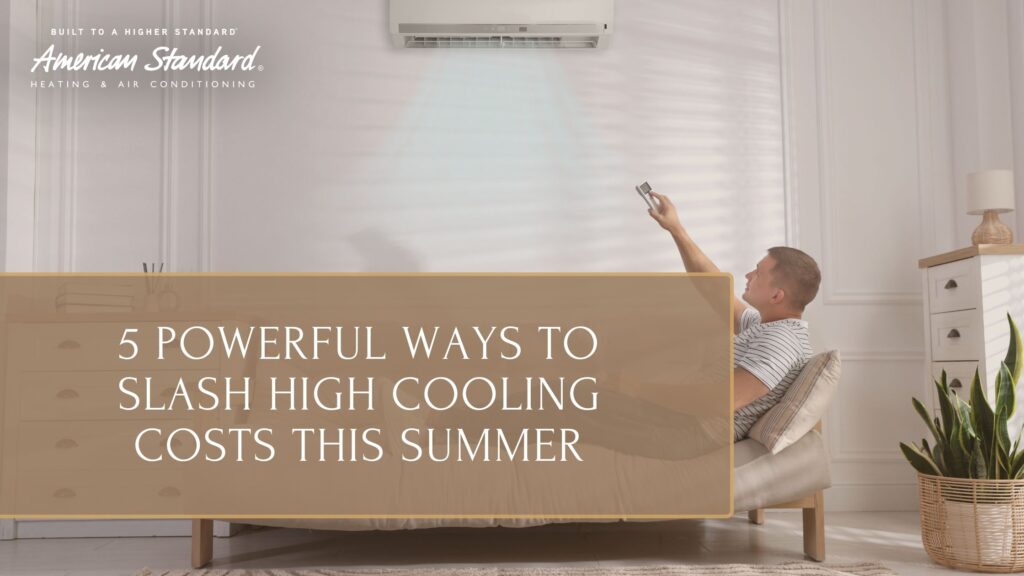
5 Powerful Ways to Slash High Cooling Costs This Summer
Summer comfort shouldn’t come with shocking energy bills. As temperatures climb, many homeowners notice their cooling costs rising just as quickly. Air conditioning systems often work overtime during peak heat, consuming large amounts of energy and putting unnecessary strain on both equipment and household budgets.
The good news? You don’t have to sacrifice comfort to save money. With the right strategies, you can maintain a cool, relaxing indoor environment while significantly reducing energy waste and monthly expenses.
In this guide, we’ll explore how to achieve reliable indoor comfort while lowering cooling costs, improving HVAC efficiency, and extending the life of your air conditioning system—all without major lifestyle changes.
Why Cooling Costs Skyrocket in Summer
Before diving into solutions, it helps to understand why cooling expenses increase during warmer months.
Several common factors drive high energy usage:
- Longer AC run times due to extreme temperatures
- Poor insulation allowing cool air to escape
- Dirty filters restricting airflow
- Aging or inefficient HVAC equipment
- Air leaks around doors and windows
- Improper thermostat settings
- Lack of routine HVAC maintenance
When multiple issues occur at once, your system must work harder to keep temperatures stable—leading to higher electricity bills and increased wear on your equipment.
Fortunately, small improvements can create major savings.
1. Optimize Your Thermostat Settings for Maximum Efficiency
One of the fastest ways to reduce cooling costs is adjusting how and when your air conditioner operates.
Recommended Temperature Settings
Energy experts recommend setting your thermostat to:
- 78°F when you’re home
- Higher temperatures when away
- Slightly warmer settings overnight
Every degree you raise your thermostat can reduce cooling energy consumption by approximately 3–5%.
Upgrade to a Smart or Programmable Thermostat
Programmable thermostats automatically adjust temperatures based on your schedule, preventing unnecessary cooling when no one is home.
Benefits include:
- Reduced energy waste
- Consistent indoor comfort
- Automated scheduling
- Lower monthly utility bills
Smart temperature control ensures your AC runs only when needed.
2. Improve Home Insulation and Seal Air Leaks
Your air conditioner may be performing perfectly—but poor insulation can undo all its hard work.
Cool air frequently escapes through:
- Attics
- Crawl spaces
- Window gaps
- Door frames
- Duct leaks
When conditioned air leaks outside, your AC must continuously replace lost cooling.
Simple Air-Sealing Solutions
Try these cost-effective upgrades:
- Install weatherstripping around doors
- Seal window gaps with caulk
- Add attic insulation
- Use door sweeps
- Seal ductwork connections
Proper insulation helps maintain stable indoor temperatures, allowing your system to cycle less frequently.
3. Schedule Professional AC Maintenance
Routine HVAC maintenance is one of the most powerful ways to slash cooling costs.
A neglected air conditioner can lose up to 15% efficiency annually, forcing longer run cycles and higher energy usage.
What Professional Maintenance Includes
During seasonal service, technicians typically:
- Clean condenser coils
- Check refrigerant levels
- Inspect electrical components
- Lubricate moving parts
- Test airflow performance
- Calibrate thermostat accuracy
These adjustments restore peak efficiency and help prevent costly breakdowns during the hottest days of summer.
Long-Term Benefits
Regular maintenance delivers:
- Lower energy bills
- Improved cooling performance
- Extended equipment lifespan
- Better humidity control
- Reduced repair costs
Preventive care keeps your cooling system operating exactly as designed.
4. Reduce Indoor Heat Gain Naturally
Many homeowners unknowingly increase cooling costs through everyday activities that generate excess indoor heat.
Major Sources of Heat Gain
Common contributors include:
- Direct sunlight through windows
- Cooking appliances
- Incandescent lighting
- Electronics running continuously
- Poor ventilation
Reducing indoor heat means your AC doesn’t need to compensate for additional warmth.
Smart Cooling Habits
Consider these practical strategies:
✅ Close blinds or curtains during peak sunlight hours
✅ Use ceiling fans to improve air circulation
✅ Switch to LED lighting
✅ Grill outdoors instead of cooking inside
✅ Run heat-producing appliances at night
Even small behavioral changes can noticeably reduce cooling demand.
5. Upgrade to High-Efficiency Cooling Solutions
If your air conditioner is more than 10–15 years old, it may be costing far more than necessary to operate.
Older systems often struggle with:
- Reduced energy efficiency
- Frequent repairs
- Uneven cooling
- Poor humidity control
Modern high-efficiency systems are designed to deliver powerful cooling using significantly less energy.
Benefits of Energy-Efficient AC Systems
Upgrading can provide:
- Lower monthly cooling costs
- Faster temperature control
- Quieter operation
- Enhanced indoor air quality
- Improved environmental impact
Newer systems use advanced compressors, improved airflow design, and better refrigerant technology to maximize performance.
Bonus Tip: Change Your Air Filter Regularly
Air filters play a critical role in HVAC efficiency.
A clogged filter restricts airflow, forcing your system to work harder while delivering less cooling.
Filter Replacement Guidelines
- Replace every 1–3 months
- Check monthly during summer
- Replace more often if you have pets or allergies
Clean filters improve airflow, indoor air quality, and system efficiency simultaneously.
How Humidity Impacts Cooling Costs
Humidity makes indoor air feel warmer than it actually is. When moisture levels rise, homeowners often lower thermostat settings unnecessarily.
Proper humidity control allows comfortable cooling at higher temperatures.
Ideal Indoor Humidity Range
Maintain humidity between 30–50% for optimal comfort and efficiency.
Balanced humidity levels:
- Reduce AC workload
- Prevent mold growth
- Improve breathing comfort
- Protect furniture and flooring
Efficient cooling isn’t just about temperature—it’s also about moisture control.
The Connection Between Airflow and Energy Savings
Blocked airflow is one of the leading causes of inefficient cooling.
Ensure vents remain:
- Open and unobstructed
- Free from furniture blockage
- Clean and dust-free
Good airflow allows conditioned air to circulate evenly throughout your home, preventing hot spots that cause thermostat adjustments and higher energy usage.
Common Cooling Mistakes That Increase Bills
Avoid these frequent energy-wasting habits:
- Setting thermostat extremely low
- Skipping maintenance appointments
- Closing too many vents
- Ignoring strange system noises
- Running AC with dirty coils
- Leaving doors open frequently
Correcting these issues alone can significantly reduce summer energy expenses.
Energy-Saving Landscaping Strategies
Outdoor improvements can also influence indoor comfort.
Strategic landscaping helps shield your home from heat.
Smart Landscaping Ideas
- Plant shade trees near sun-facing walls
- Install awnings or pergolas
- Use reflective roofing materials
- Keep outdoor units shaded but unobstructed
Reducing external heat exposure lessens the burden placed on your air conditioning system.
Signs Your AC Is Wasting Energy
Watch for warning signs indicating inefficiency:
- Rising utility bills
- Uneven cooling between rooms
- Constant system cycling
- Weak airflow
- Excess humidity indoors
- Frequent repairs
Addressing problems early prevents expensive energy loss and equipment failure.
Creating Whole-Home Summer Comfort
True energy efficiency comes from combining multiple improvements rather than relying on one solution.
The most effective strategy includes:
- Smart thermostat management
- Proper insulation
- Routine maintenance
- Efficient equipment
- Healthy airflow
- Humidity control
Together, these steps create a comfortable home that stays cool without excessive energy consumption.
Environmental Benefits of Lower Cooling Costs
Reducing energy usage doesn’t just save money—it also benefits the environment.
Efficient cooling helps:
- Reduce carbon emissions
- Lower electricity demand
- Extend HVAC system lifespan
- Support sustainable energy practices
Energy-efficient homes contribute to long-term environmental responsibility while improving everyday comfort.
Frequently Asked Questions (FAQs)
1. What temperature saves the most money during summer?
Setting your thermostat around 78°F when home typically balances comfort and energy savings. Raising the temperature when away further reduces costs.
2. How often should AC maintenance be scheduled?
Professional maintenance should be performed at least once per year, ideally before summer begins.
3. Do ceiling fans actually reduce cooling costs?
Yes. Fans improve air circulation, allowing you to raise thermostat settings without sacrificing comfort.
4. Can closing vents in unused rooms save energy?
No. Closing vents often disrupts system airflow and can increase pressure within ductwork, reducing efficiency.
5. Why does my home feel humid even with AC running?
Your system may need maintenance, proper sizing evaluation, or airflow adjustments to remove moisture effectively.
6. Is upgrading an older AC system worth it?
Yes. Modern energy-efficient systems can significantly lower operating costs and improve indoor comfort.
7. How much can energy-saving upgrades reduce cooling bills?
Many homeowners see savings between 10–40%, depending on system condition and home efficiency improvements.
8. How often should air filters be replaced in summer?
Every 1–3 months, or more frequently if pets or dust levels are high.
9. Does insulation really impact cooling performance?
Absolutely. Proper insulation prevents cooled air loss and reduces system workload.
10. What is the fastest way to lower cooling costs?
Scheduling professional maintenance and adjusting thermostat settings typically provide immediate savings.
Contact Us
Contact Us Swinson Air Conditioning is your independently owned American Standard Heating and Air Conditioning Dealer, proudly serving the Eastern Shore area. As a locally owned and operated Customer Care Dealer, we are committed to helping homeowners achieve comfortable indoor temperatures while improving energy efficiency and lowering cooling costs. Whether you need seasonal AC maintenance, system upgrades, or expert cooling solutions, we would love to become your trusted HVAC contractor. Feel free to contact us via email or give us a call at 251‑964‑9009 for all of your HVAC needs this season.