

6 Powerful Spring HVAC Maintenance Tips You Can’t Ignore
Spring is a season of renewal—and for homeowners, it’s also the most important time to prepare your HVAC system for the warmer months ahead. After working hard all winter, your heating and cooling system needs attention to ensure it runs efficiently, reliably, and affordably through spring and into summer.
Ignoring spring HVAC maintenance can lead to higher energy bills, poor indoor air quality, unexpected breakdowns, and shortened system lifespan. The good news? A few proactive steps now can make a major difference later.
Below are the top 6 spring HVAC maintenance tips homeowners can’t ignore if they want lower energy costs, better comfort, and peace of mind during the hottest months of the year.
1. Replace Air Filters to Restore Airflow and Efficiency
One of the simplest yet most powerful HVAC maintenance steps is changing your air filter. During winter, filters collect dust, pollen, pet dander, and debris. If not replaced, they restrict airflow and force your HVAC system to work harder.
Why Air Filter Replacement Matters in Spring
- Improves airflow and system efficiency
- Reduces energy consumption and utility bills
- Enhances indoor air quality
- Protects HVAC components from strain and damage
A clogged filter can increase energy usage by up to 15%. Clean filters help your system cool your home faster and more evenly.
How Often Should You Change HVAC Filters?
Most homeowners should replace filters every 1–3 months, depending on:
- Pets in the home
- Allergies or asthma
- Dust levels
- Filter type and rating
Spring is especially important due to rising pollen levels, which can quickly clog filters and reduce indoor comfort.
2. Schedule Professional Spring HVAC Maintenance
Spring maintenance isn’t just a recommendation—it’s essential. A professional HVAC tune-up prepares your system for heavy summer use and helps identify small issues before they turn into costly repairs.
What Happens During a Professional HVAC Tune-Up?
- Inspection of electrical components
- Refrigerant level checks
- Coil cleaning
- Thermostat calibration
- Airflow and performance testing
- Safety checks
This detailed inspection ensures your system operates safely and efficiently before peak cooling season begins.
Benefits of Spring HVAC Maintenance
- Lower energy bills
- Reduced risk of summer breakdowns
- Extended system lifespan
- Improved comfort and reliability
Many homeowners ask, “When is the best time to service my air conditioner?”
The answer is early spring—before extreme heat arrives.
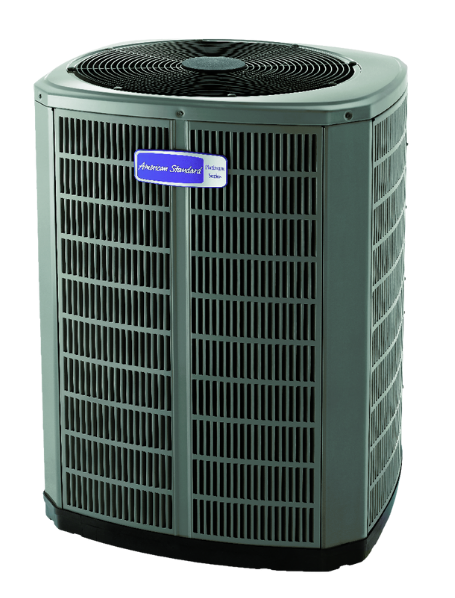
3. Clean the Outdoor Unit and Remove Debris
Your outdoor HVAC unit plays a critical role in heat transfer. Over winter, it can become clogged with leaves, dirt, grass, and debris that block airflow and reduce performance.
How to Maintain Your Outdoor Unit in Spring
- Clear debris from inside and around the unit
- Maintain at least 2 feet of clearance on all sides
- Gently rinse coils with a garden hose
- Trim nearby bushes and plants
Restricted airflow forces your system to run longer, increasing wear and energy costs.
Why This Step Is Often Overlooked
Many homeowners don’t realize how much debris can accumulate during winter. Even partial blockages can significantly reduce cooling efficiency once temperatures rise.
4. Inspect and Seal Ductwork to Prevent Energy Loss
Leaky ductwork is one of the biggest sources of wasted energy in homes. According to industry studies, up to 30% of conditioned air can be lost through damaged or poorly sealed ducts.
Signs of Leaky Ducts
- Uneven temperatures throughout your home
- Higher energy bills
- Weak airflow from vents
- Excess dust buildup
What You Can Do in Spring
- Inspect visible ducts for loose connections or gaps
- Seal minor leaks using foil HVAC tape or mastic
- Schedule professional duct sealing for hidden leaks
Sealing ducts improves airflow, enhances comfort, and allows your HVAC system to cool your home faster using less energy.
5. Test and Optimize Your Thermostat Settings
Your thermostat controls when and how often your HVAC system runs. Spring is the perfect time to test accuracy, replace batteries, and adjust settings for warmer weather.
Why Thermostat Optimization Matters
An improperly calibrated thermostat can cause your system to:
- Run longer than necessary
- Cycle inefficiently
- Increase energy bills
Smart Thermostat Benefits
Many homeowners upgrade in spring to programmable or smart thermostats, which offer:
- Automatic temperature adjustments
- Reduced cooling when you’re away
- Consistent comfort
- Improved energy savings
A common question homeowners ask is, “What temperature should I set my thermostat in spring?”
A balanced starting point is 68–72 degrees, adjusted based on comfort and humidity.
6. Improve Indoor Air Quality for Healthier Spring Living
Spring brings allergens, pollen, and increased humidity—making indoor air quality more important than ever. Your HVAC system plays a major role in keeping indoor air clean and comfortable.
How HVAC Maintenance Improves Air Quality
- Clean filters trap allergens
- Coil cleaning reduces mold growth
- Proper airflow limits dust buildup
- Balanced humidity improves comfort
Additional Indoor Air Quality Tips
- Use high-quality air filters
- Keep vents clean and unobstructed
- Schedule professional system cleaning
- Maintain indoor humidity between 30–50%
Better air quality means fewer allergy symptoms, improved sleep, and a healthier home environment.
Why Spring HVAC Maintenance Saves Money Long-Term
Many homeowners delay maintenance to save money, but skipping spring HVAC care often leads to higher costs later.
Long-Term Benefits Include:
- Lower monthly energy bills
- Fewer emergency repairs
- Longer system lifespan
- Better resale value for your home
Preventive maintenance is always more affordable than emergency service during peak summer heat.
Frequently Asked Questions About Spring HVAC Maintenance
How often should HVAC maintenance be done?
Most systems should be professionally serviced once per year, ideally in spring before cooling season begins.
Can I do HVAC maintenance myself?
Homeowners can change filters, clean outdoor units, and check thermostat settings. Professional service is recommended for electrical, refrigerant, and internal components.
Does spring maintenance really improve efficiency?
Yes. Clean components and proper airflow help your system cool faster and use less energy.
What happens if I skip spring HVAC maintenance?
Skipping maintenance can lead to reduced efficiency, higher bills, system breakdowns, and shortened equipment lifespan.
Is spring better than summer for HVAC service?
Yes. Spring allows technicians to identify and fix issues before extreme heat causes system stress or failures.
How long does a spring HVAC tune-up take?
Most professional inspections take 60–90 minutes, depending on system condition and size.
Make Spring HVAC Maintenance a Priority This Year
Spring is the season of preparation. Taking care of your HVAC system now ensures comfort, efficiency, and reliability when temperatures rise. These 6 spring HVAC maintenance tips homeowners can’t ignore are proven ways to protect your investment and reduce energy costs all summer long.
By addressing small issues early, you avoid major problems later—and enjoy peace of mind knowing your home is ready for the season ahead.
Contact Swinson Air Conditioning
Swinson Air Conditioning is your independently owned American Standard Heating and Air Conditioning Dealer, proudly serving the Eastern Shore area. We are a locally owned and operated Customer Care Dealer and would love to become your HVAC contractor.
Feel free to contact us via email or give us a call at 251-255-6031 for all of your HVAC needs this spring season.