
7 Costly Cooling Mistakes Homeowners Make in Late Summer
Late summer heat can be brutal, especially along the Eastern Shore where humidity and high temperatures push air conditioning systems to their limits. Unfortunately, many homeowners unknowingly make cooling mistakes that lead to higher energy bills, reduced comfort, and even premature system failure.
Understanding what these mistakes are—and how to avoid them—can help you stay cool, save money, and extend the life of your HVAC system. Below, we break down the 7 most costly cooling mistakes homeowners make in late summer and what you can do instead.
Why Late Summer Is Tough on Your Cooling System
By the time August and September roll around, your air conditioner has already been working hard for months. Dust buildup, worn components, clogged filters, and constant demand all take a toll.
In coastal regions like the Eastern Shore, humidity makes things even worse. Your system isn’t just cooling the air—it’s also removing moisture, which adds extra strain.
That’s why late summer is when inefficiencies show up quickly and small issues turn into expensive repairs.
1. Ignoring Dirty Air Filters
One of the most common—and costly—mistakes homeowners make is neglecting the air filter.
A clogged filter restricts airflow, forcing your system to work harder to cool your home. This leads to:
- Higher energy bills
- Poor indoor air quality
- Frozen evaporator coils
- Reduced system lifespan
During peak cooling season, filters should typically be checked every 30–60 days. In homes with pets or high dust levels, even more frequently.
A clean filter is one of the simplest ways to improve energy efficiency and AC performance instantly.
2. Setting the Thermostat Too Low
When it’s hot outside, it’s tempting to crank the thermostat down to 68°F or lower. But this doesn’t cool your home faster—it only forces your system to run longer.
Overworking your system leads to:
- Increased wear and tear
- Higher electricity consumption
- Uneven cooling
- Short cycling in some systems
A better strategy is to set your thermostat between 74°F and 78°F while you’re home and slightly higher when you’re away. Using a programmable or smart thermostat can help you maintain comfort without wasting energy.
3. Blocking Air Vents and Registers
Furniture, rugs, curtains, and décor often unintentionally block air vents. When airflow is restricted, your HVAC system struggles to circulate cool air evenly.
This can result in:
- Hot and cold spots throughout the home
- Increased strain on ductwork
- Reduced overall cooling efficiency
Make sure all vents are open and unobstructed. Even partially blocked vents can significantly reduce system performance.
Proper airflow is essential for consistent home cooling efficiency during late summer heat waves.
4. Skipping Routine HVAC Maintenance
Many homeowners assume that if the AC is running, it’s fine. But late summer is when hidden issues often appear.
Skipping regular maintenance can lead to:
- Dirty condenser coils
- Low refrigerant levels
- Failing capacitors or motors
- Reduced system efficiency
Professional tune-ups ensure your system is operating at peak performance. A certified technician will inspect, clean, and optimize your unit to prevent breakdowns during the hottest part of the season.
Routine maintenance is one of the most effective ways to avoid expensive air conditioning repair costs in Eastern Shore homes.
5. Ignoring Strange Noises or Odors
Your air conditioner should run relatively quietly. If you notice unusual sounds or smells, it’s a warning sign that something is wrong.
Common warning signals include:
- Grinding or squealing noises (possible motor or belt issues)
- Musty odors (mold or mildew in ductwork)
- Burning smells (electrical issues)
- Rattling sounds (loose components)
Ignoring these signs can lead to system failure if left unchecked. Early detection can often prevent costly repairs or replacements.
6. Letting Outdoor Units Get Overgrown or Dirty
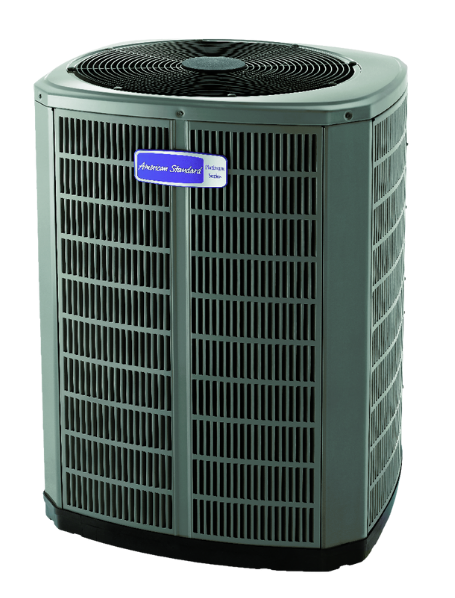
Your outdoor condenser unit plays a major role in heat exchange. When it becomes blocked by grass, leaves, or debris, it cannot release heat efficiently.
This leads to:
- Reduced cooling performance
- Higher energy consumption
- System overheating
- Compressor strain
Make sure there is at least 2–3 feet of clearance around the unit. Gently rinse off dirt and debris when needed, but avoid high-pressure washing, which can damage delicate fins.
Keeping the outdoor unit clean is critical for maintaining HVAC efficiency during late summer heat.
7. Closing Too Many Doors and Rooms
Many homeowners think closing vents or doors in unused rooms will save energy. In reality, this can disrupt system balance.
Modern HVAC systems are designed to distribute air evenly. Blocking airflow causes pressure imbalances, which can:
- Damage ductwork over time
- Reduce overall efficiency
- Increase humidity levels
- Stress the blower motor
Instead of closing vents, focus on zoning solutions or system upgrades if you want room-by-room control.
How to Improve Cooling Efficiency in Late Summer
Avoiding mistakes is only part of the solution. You can also take proactive steps to improve your system’s performance:
-
- Replace air filters regularly
- Use ceiling fans to assist airflow
- Seal air leaks around doors and windows
- Install a smart thermostat
- Keep blinds closed during peak sunlight hours
These small improvements can significantly reduce your cooling costs and improve comfort.
Why Professional HVAC Service Matters
Even if your system seems fine, hidden inefficiencies can quietly increase your energy bills. Professional HVAC technicians can identify issues early before they become expensive problems.
Regular service helps:
- Extend equipment lifespan
- Improve indoor air quality
- Reduce energy consumption
- Prevent emergency breakdowns
- Maintain consistent cooling performance
For homeowners in the Eastern Shore area, trusted local service is especially important due to the demanding coastal climate.
That’s where Swinson Air Conditioning comes in.
Frequently Asked Questions (FAQs)
1. How often should I service my air conditioner in late summer?
At minimum, your HVAC system should be serviced once a year, but late summer inspections are highly recommended if your system has been running heavily all season.
2. Why is my AC running but not cooling well?
This could be caused by dirty filters, low refrigerant, dirty coils, or airflow restrictions. A professional inspection is the best way to identify the exact issue.
3. What temperature should I set my thermostat in summer?
Most experts recommend 74°F to 78°F for optimal comfort and efficiency. Raising it slightly when away from home can reduce energy costs.
4. Can closing vents save money on cooling?
Not usually. Closing vents can disrupt airflow balance and actually reduce system efficiency, leading to higher long-term costs.
5. How do I know if my HVAC system needs repair?
Warning signs include unusual noises, weak airflow, inconsistent temperatures, rising energy bills, or strange odors.
6. Is late summer a good time for HVAC maintenance?
Yes. Late summer is ideal for catching wear-and-tear issues before they turn into costly repairs or system failures.
7. What is the most common AC mistake homeowners make?
Ignoring basic maintenance—like changing air filters and scheduling tune-ups—is the most common and costly mistake.
Contact Us
Contact Us Swinson Air Conditioning is your independently owned American Standard Heating and Air Conditioning Dealer, serving the Eastern Shore area. We are a locally owned and operated Customer Care Dealer and would love to become your HVAC contractor. Feel free to contact us via email or give us a call at 251-964-9009 for all of your HVAC needs this season.