
7 Powerful HVAC System Options: Pros, Cons & Best Choice for Your Home
Choosing the best HVAC system for your home isn’t just about comfort—it’s about efficiency, reliability, and long-term savings. Whether you’re building a new home, replacing an outdated system, or upgrading for energy efficiency, understanding your options helps you make a confident, informed decision.
In this guide, we’ll explore 7 popular HVAC system types, their pros and cons, and expert tips on choosing the right one for your Alabama home.
1. Central Air Conditioning Systems
Overview
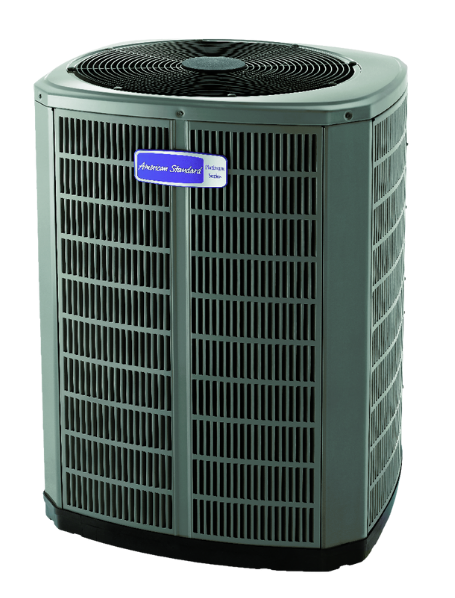
Central air conditioners are the most common type of HVAC system found in American homes. They use a network of ducts to distribute cool air throughout the house.
Pros
- Efficient Cooling for Large Spaces: Ideal for cooling multiple rooms evenly.
- Better Indoor Air Quality: Works well with air filtration and purification systems.
- Quiet Operation: The noisy compressor is located outdoors.
Cons
- Higher Upfront Cost: Installation can be expensive, especially if ductwork is needed.
- Duct Leaks Can Waste Energy: Requires proper maintenance to stay efficient.
Best For: Homeowners with existing ductwork who want consistent, whole-home cooling.
2. Heat Pump Systems
Overview
A heat pump both heats and cools your home using electricity, transferring heat instead of generating it—making it one of the most energy-efficient HVAC options available.
Pros
- Energy Efficiency: Uses less energy than traditional systems.
- Year-Round Comfort: Provides both heating and cooling in one system.
- Environmentally Friendly: Reduces carbon emissions.
Cons
- Reduced Efficiency in Extreme Cold: May need a backup heat source in freezing temperatures.
- Higher Initial Investment: Installation costs more than a traditional AC unit.
Best For: Homeowners in Alabama’s moderate climate—perfect for both summer heat and mild winters.
3. Ductless Mini-Split Systems
Overview
Ductless systems provide heating and cooling directly to individual rooms or zones, eliminating the need for ductwork.
Pros
- Flexible Zoning: Control temperatures in different rooms independently.
- Energy Savings: No duct losses, which account for up to 30% of energy waste.
- Easy Installation: Great for homes without ductwork or new additions.
Cons
- Higher Equipment Cost Per Unit: Each zone requires a separate indoor unit.
- Aesthetic Impact: Indoor air handlers are visible on walls.
Best For: Older homes, room additions, or homeowners who want targeted comfort control.
4. Packaged HVAC Systems
Overview
Packaged systems contain both the heating and cooling components in a single outdoor unit—saving indoor space and simplifying installation.
Pros
- Compact Design: Ideal for smaller homes or properties with limited indoor space.
- Easy Maintenance: All components are located outside for simple servicing.
- Cost-Effective Installation: Typically lower installation costs than split systems.
Cons
- Less Energy Efficient: Often less efficient than separate systems.
- Outdoor Exposure: More prone to wear from weather conditions.
Best For: Homes without basements or crawl spaces, or when space is a concern.
5. Geothermal Heat Pumps
Overview
Geothermal systems use the earth’s constant underground temperature to heat and cool your home. They’re among the most energy-efficient HVAC options available.
Pros
- Exceptional Efficiency: Can reduce energy use by up to 50%.
- Quiet and Reliable: Underground components last for decades.
- Environmentally Sustainable: Minimal greenhouse gas emissions.
Cons
- High Initial Cost: Installation requires digging or drilling.
- Land Requirements: Best for homes with available yard space.
Best For: Eco-conscious homeowners looking for long-term savings and efficiency.
6. Hybrid (Dual-Fuel) Systems
Overview
Hybrid systems combine an electric heat pump with a gas furnace. The system automatically switches between energy sources for optimal efficiency based on temperature.
Pros
- Energy Flexibility: Uses the most efficient fuel source for the conditions.
- Comfort and Savings: Provides consistent comfort and reduces energy bills.
- Environmentally Smart: Reduces carbon footprint compared to all-gas systems.
Cons
- Higher Initial Cost: Complex installation and components.
- Requires Maintenance for Two Systems: More parts to maintain.
Best For: Homeowners who want performance and energy savings during Alabama’s variable seasons.
7. Smart HVAC Systems
Overview
Smart HVAC systems integrate with smart thermostats and connected home technology for ultimate control and efficiency.
Pros
- Remote Access: Control temperature settings via smartphone apps.
- Adaptive Learning: Systems adjust automatically to your schedule and preferences.
- Energy Efficiency: Helps reduce energy waste and optimize comfort.
Cons
- Upfront Cost: Requires compatible devices and Wi-Fi connectivity.
- Learning Curve: Takes time to set preferences and automation properly.
Best For: Tech-savvy homeowners looking to improve comfort, convenience, and energy efficiency.
How to Choose the Right HVAC System for Your Home
When choosing the best HVAC system, consider:
- Home Size & Layout: Larger homes benefit from central or hybrid systems.
- Existing Infrastructure: Homes without ducts may prefer ductless systems.
- Energy Efficiency Goals: Heat pumps or geothermal systems save the most long-term.
- Climate: Alabama’s mild winters make heat pumps an excellent choice.
- Budget: Central ACs are cost-effective upfront; geothermal systems pay off over time.
For expert guidance, Swinson Air Conditioning can assess your home and recommend the ideal HVAC system to meet your comfort and efficiency needs.
Frequently Asked Questions
1. What is the most energy-efficient HVAC system for Alabama homes?
A heat pump system is ideal for Alabama’s climate. It provides both heating and cooling efficiently without relying on fossil fuels.
2. How long do HVAC systems typically last?
Most HVAC systems last 10–20 years, depending on maintenance quality, usage, and type. Geothermal systems can last even longer—up to 25 years or more.
3. Are ductless mini-split systems worth it?
Yes—especially for homes without ductwork or for room additions. They offer zoned comfort, lower energy bills, and easy installation.
4. Should I replace or repair my old HVAC system?
If your system is over 10 years old, requires frequent repairs, or struggles to keep consistent temperatures, replacement may be the smarter investment.
5. How can I make my HVAC system more efficient?
Schedule seasonal maintenance, change air filters regularly, and consider upgrading to a smart thermostat for optimal energy management.
Contact Us
Swinson Air Conditioning is your independently owned American Standard Heating and Air Conditioning Dealer, proudly serving the Eastern Shore area. We are a locally owned and operated Customer Care Dealer and would love to become your trusted HVAC contractor.
Feel free to contact us via email or give us a call at 251-255-6031 for all of your HVAC needs this season.