
7 Smart Ways to Keep Your Home Warm Without Overspending
Keeping your home warm during winter does not have to mean dealing with high energy bills. When temperatures drop, your heating system may run more frequently to maintain a comfortable indoor temperature. Without the right habits and home maintenance, that extra runtime can lead to higher utility costs and unnecessary strain on your HVAC equipment.
The good news is that you can enjoy a warm, comfortable home without overspending. Simple improvements, such as adjusting your thermostat, sealing air leaks, maintaining your heating system, and improving airflow, can help reduce energy waste while keeping your family comfortable.
For homeowners along Alabama’s Eastern Shore, winter weather can fluctuate between mild afternoons and chilly mornings. These temperature changes make it especially helpful to have an efficient heating system that can respond to changing conditions without using more energy than necessary.
Whether you rely on a heat pump, furnace, or another central heating system, understanding how to manage indoor temperatures can help you make smarter decisions throughout the colder months.
In this guide, we will explore seven smart ways to keep your home warm without overspending, explain how HVAC efficiency affects your energy bills, and answer common questions about winter heating.
1. Set Your Thermostat for Comfort and Savings
Your thermostat plays an important role in how much energy your heating system uses. Setting it higher than necessary can increase energy consumption, especially when your system must maintain that temperature for extended periods.
Instead of constantly adjusting the thermostat throughout the day, choose a comfortable setting and make small adjustments based on your household’s routine.
The U.S. Department of Energy recommends lowering your thermostat when you are asleep or away from home. For appropriate heating and cooling systems, reducing the temperature by 7 to 10 degrees Fahrenheit for eight hours a day can save as much as 10% annually on heating and cooling costs.
A programmable thermostat can make these adjustments automatic. You can schedule lower temperatures while everyone is away and return to your preferred setting before the family comes home.
Smart thermostats offer additional convenience through remote access, scheduling features, and certain energy-use reports. Depending on the model, these features can help you understand your heating habits and identify opportunities to reduce energy waste.
However, homeowners with heat pumps should be careful about large temperature setbacks. Some systems may activate auxiliary electric resistance heating when recovering from a substantial temperature change, potentially increasing electricity consumption. Follow your equipment manufacturer’s recommendations or ask an HVAC professional about the best settings for your particular system.
Practical tip: Start with modest thermostat adjustments and pay attention to how your home feels. A consistent schedule can help balance comfort and energy savings without frequent temperature changes.
2. Prevent Warm Air From Escaping Through Air Leaks
Even an efficient heating system can struggle to keep your home comfortable if warm air escapes through gaps around windows, doors, and other openings.
Air leaks allow heated indoor air to escape while colder outdoor air enters. This can create drafts, make certain rooms uncomfortable, and increase the amount of work your HVAC system must do.
Fortunately, many common air leaks can be addressed with relatively simple improvements.
Begin by checking the areas around exterior doors and windows. Look for worn weatherstripping, gaps in caulking, and spaces where you can feel cold air entering. Pay attention to attic access points, plumbing penetrations, and other openings that connect indoor spaces with unconditioned areas.
Weatherstripping can help seal movable components such as doors and windows, while caulk is useful for certain stationary gaps. Larger openings may require professional air sealing or insulation work.
You can also use curtains and blinds strategically. Open window coverings during sunny winter days to take advantage of natural sunlight, then close them after sunset to help reduce heat loss through windows.
If your home has persistent drafts or rooms that never seem to stay warm, consider a professional home energy assessment. An assessment can help identify air leakage, insulation deficiencies, and other problems that may be increasing heating costs.
Practical tip: Start with noticeable drafts around doors and windows. Small improvements throughout the home can work together to reduce unnecessary heat loss.
3. Replace Dirty HVAC Filters
A clean HVAC filter helps your heating system maintain proper airflow. Over time, filters collect dust, dirt, pet hair, and other airborne particles. When a filter becomes clogged, it can restrict airflow and interfere with system performance.
Restricted airflow may cause your HVAC system to work harder or run longer than necessary. Depending on the equipment, severe restrictions can also contribute to overheating, reduced comfort, or other operating problems.
Check your air filter regularly during the heating season. Some filters require replacement every month, while others may last longer. The correct schedule depends on the filter type, equipment requirements, household conditions, and how frequently the system operates.
Homes with pets, several occupants, or higher levels of dust may require more frequent filter changes.
When replacing a filter, make sure it matches the size and specifications recommended for your HVAC system. A filter with an unsuitable resistance to airflow can create performance issues even when it is clean.
It is also important to install the filter in the correct direction, following the airflow arrows printed on the frame.
Although replacing a filter is a simple task, it can make a meaningful difference in routine HVAC care. It also gives you an opportunity to notice unusual amounts of dust or other changes that might warrant further investigation.
Practical tip: Add a recurring reminder to check your HVAC filter. Inspecting it monthly makes it easier to recognize when it needs replacement instead of waiting until airflow problems appear.
4. Schedule Regular Heating System Maintenance
Routine HVAC maintenance is one of the most important ways to prepare your home for colder weather. Even a well-designed heating system can lose performance when components become dirty, settings are incorrect, or minor mechanical issues go unnoticed.
During a professional heating maintenance appointment, an HVAC technician can inspect the equipment, evaluate its operation, check airflow, and identify issues that may affect performance or reliability.
The specific maintenance tasks depend on whether your home uses a heat pump, furnace, or another type of heating equipment.
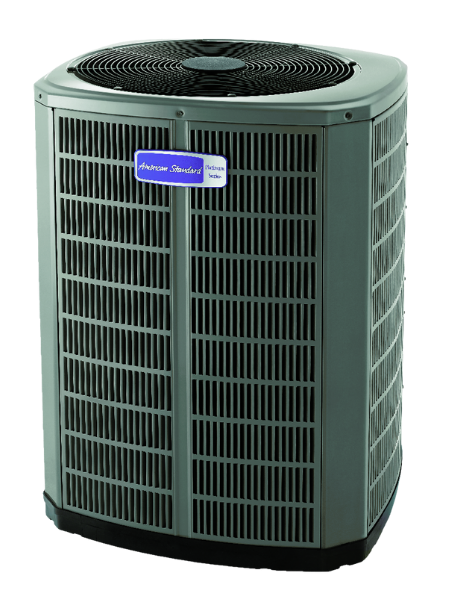
For heat pumps, a technician may examine the outdoor unit, check operating controls, inspect electrical connections, and evaluate heating performance. Furnace maintenance may involve checking burners, ignition components, safety controls, and other equipment-specific parts.
Homeowners should not attempt repairs involving electrical components, refrigerant, gas connections, or other potentially hazardous equipment without the appropriate qualifications.
Scheduling maintenance before the coldest part of winter gives you time to address concerns before your heating system must operate more frequently.
Professional maintenance cannot guarantee that breakdowns will never happen, but it can help identify developing problems and support reliable operation.
It may also help determine whether unusually high energy bills are connected to an HVAC issue, although utility costs can also change because of outdoor temperatures, energy rates, and household usage.
Practical tip: Arrange a heating system inspection before peak winter demand whenever possible. Keep records of maintenance visits, filter changes, and recurring performance problems.
5. Improve Airflow Throughout Your Home
A home may have an adequately sized heating system and still feel uncomfortable if heated air cannot circulate properly.
Blocked supply vents, obstructed return grilles, closed interior doors, and ductwork problems can affect how warm air moves through your living spaces.
Start by checking every accessible supply vent and return grille. Make sure furniture, rugs, curtains, storage boxes, and other objects are not blocking them.
Avoid closing numerous supply vents in rooms you do not use. Central HVAC systems are designed to operate with a particular airflow balance, and closing too many vents can interfere with that balance.
If one room consistently feels colder than the rest of the home, the problem may be more complicated than a blocked vent. Potential causes include duct leakage, poor insulation, thermostat placement, airflow imbalances, or equipment problems.
A qualified HVAC technician can inspect these issues and recommend an appropriate solution.
Ceiling fans may also help distribute warm air. If your fan has a reverse setting, operate it at low speed in the manufacturer’s recommended winter direction. This can gently circulate warm air that collects near the ceiling without creating an uncomfortable breeze.
Remember to turn fans off when rooms are unoccupied.
Practical tip: Walk through your home and check vents, return grilles, and ceiling fans. Simple airflow improvements may help reduce cold spots without requiring you to increase the thermostat setting.
6. Use Insulation and Window Coverings to Retain Heat
Your heating system does more than warm the air. It must also replace heat that escapes through the building envelope, including the roof, walls, windows, floors, and other parts of your home.
Insulation slows heat transfer, helping indoor temperatures remain more stable. If your home has insufficient attic insulation or poorly insulated exterior walls, your HVAC system may need to run longer to maintain comfortable conditions.
The right improvements depend on your home’s age, construction, existing insulation, and local climate.
Attics are often a useful place to investigate because warm air can rise and heat can escape through an inadequately insulated ceiling. However, insulation should be installed correctly, with attention to ventilation, moisture management, and applicable safety requirements.
Windows can also contribute to heat loss. Closing curtains after sunset may help reduce the chill associated with cold glass. Properly fitted thermal curtains can provide additional insulation, although they do not replace the benefits of correcting significant air leaks or improving inefficient windows.
During sunny winter days, opening curtains on sun-facing windows can allow sunlight to warm interior spaces. Close them again in the evening to help retain that warmth.
If you are considering a larger home efficiency project, a professional assessment can help prioritize improvements based on expected benefits and cost.
Practical tip: Address obvious drafts first, then investigate insulation and window performance if your home continues to lose heat quickly.
7. Choose Energy-Efficient Heating Solutions
Sometimes, the best way to control heating costs is to evaluate the performance of your existing HVAC system.
If your equipment is aging, needs frequent repairs, struggles to maintain comfortable temperatures, or produces unusually high energy bills, it may be worth discussing its condition with an HVAC professional.
Modern heating systems offer different efficiency levels and features. Heat pumps, for example, transfer heat rather than generating it entirely through electric resistance heating. Under suitable conditions, they can provide efficient heating and cooling throughout the year.
However, choosing a new system involves more than comparing advertised efficiency ratings.
Proper sizing, installation quality, ductwork condition, thermostat compatibility, and the home’s insulation all affect real-world performance. An oversized or undersized system may fail to provide the comfort and efficiency you expect.
Your local climate and household needs also matter. Along Alabama’s Eastern Shore, a heat pump may be an appropriate option for many homes, but the best choice depends on the existing equipment, home layout, budget, and heating requirements.
If replacement is being considered, ask about equipment efficiency ratings, installation requirements, expected operating costs, available warranties, and maintenance needs.
You do not necessarily need to replace a working system simply because newer models are available. An HVAC professional can help compare the potential benefits of continued maintenance, repairs, and replacement.
Practical tip: If your heating bills continue to rise despite reasonable thermostat settings and regular maintenance, arrange an HVAC evaluation before deciding whether replacement is necessary.
Additional Habits That Help Keep Heating Costs Under Control
Beyond the seven main strategies, everyday choices can help you maintain a warm home without unnecessary energy use.
- Dress for the season. Comfortable layers and warm socks can help you feel cozy without turning up the thermostat.
- Use sunlight wisely. Open curtains on sunny days and close them after sunset.
- Keep exterior doors closed. Avoid leaving doors open longer than necessary during cold weather.
- Monitor your energy bills. Compare usage across similar billing periods and consider changes in weather, rates, and household routines.
- Avoid unnecessary space heating. If you use a portable space heater, follow the manufacturer’s instructions, keep it away from combustible materials, and never leave it unattended. Plug it directly into an appropriate wall outlet rather than an extension cord or power strip.
- Investigate unusual system behavior. Persistent cold spots, repeated cycling, or unexplained changes in energy use may indicate a problem worth addressing.
The goal is not to make your home uncomfortable to save money. Instead, focus on reducing waste, maintaining your equipment, and helping your home retain the heat your HVAC system produces.
Frequently Asked Questions
1. What is the cheapest way to keep a house warm in winter?
Start with low-cost improvements such as adjusting your thermostat, replacing dirty HVAC filters, sealing drafts, and keeping vents clear. These measures can help reduce energy waste without requiring a major investment.
2. What temperature should I set my thermostat to in winter?
Choose a temperature that balances comfort and energy savings for your household. The Department of Energy recommends lowering the thermostat when you are asleep or away. Heat pump owners should follow equipment-specific guidance to avoid unnecessary use of supplemental heating.
3. Does turning the thermostat up heat a house faster?
For most central heating systems, setting the thermostat much higher than your desired temperature does not make the home heat up faster. It can instead cause the system to continue heating beyond the temperature you actually need.
4. How often should I replace my heating system’s air filter?
Check the filter regularly and follow the manufacturer’s recommendations. Some filters need monthly replacement, while others last longer. Pets, dust, household occupancy, and system runtime can affect how frequently a filter becomes dirty.
5. Can a dirty HVAC filter increase energy bills?
Yes. A clogged filter can restrict airflow and interfere with heating system performance. Replacing it when needed helps maintain proper airflow and supports efficient operation.
6. Does closing vents in unused rooms save money?
Not necessarily. Closing multiple vents can disrupt airflow and create pressure imbalances in a central HVAC system. Keep vents unobstructed and ask an HVAC professional about persistent comfort problems.
7. Is a heat pump an energy-efficient way to heat a home?
Heat pumps can provide efficient heating because they transfer heat rather than relying entirely on electric resistance heating. Actual efficiency depends on outdoor temperatures, equipment type, installation, system condition, and how the system is operated.
8. Why is my heating bill suddenly higher?
Possible reasons include colder weather, changes in energy rates, increased household usage, dirty filters, restricted airflow, duct leaks, thermostat settings, or HVAC equipment problems. Compare your energy usage and consider an HVAC inspection if the increase is unexplained.
9. Does insulation really help lower heating costs?
Yes. Proper insulation slows heat transfer and can help your home retain warmth. Combined with air sealing and efficient HVAC equipment, insulation can reduce heating demand and improve indoor comfort.
10. When should I schedule winter HVAC maintenance?
Ideally, schedule heating maintenance before you begin relying heavily on your system. A professional inspection can identify potential concerns and give you time to address them before periods of colder weather.
Contact Us
If you want to keep your home warm without overspending this winter, Swinson Air Conditioning can help you evaluate your heating system and identify opportunities to improve comfort and efficiency. Swinson Air Conditioning is your independently owned American Standard Heating and Air Conditioning Dealer, serving the Eastern Shore area. We are a locally owned and operated Customer Care Dealer and would love to become your HVAC contractor. Feel free to contact us via email or give us a call at 251-964-9009 for all of your HVAC needs this season.