
9 Powerful Fall HVAC Checklist Tips for a Stress-Free Season
As summer temperatures begin to fade and cooler weather approaches, homeowners have a valuable opportunity to prepare their HVAC systems for the months ahead. Fall is the perfect time to ensure your heating and cooling equipment is operating efficiently, safely, and reliably before winter arrives.
Many HVAC breakdowns occur because systems are pushed into a new season without proper maintenance or preparation. A little preventive care now can help you avoid costly repairs, reduce energy bills, improve indoor comfort, and extend the lifespan of your equipment.
This ultimate fall HVAC prep checklist covers everything homeowners need to know to transition smoothly into cooler weather. Whether you’re looking to improve energy efficiency, maintain healthy indoor air quality, or simply avoid unexpected problems, these nine essential steps can help you enjoy a stress-free season.
1. Replace Your Air Filter Before Heating Season Begins
One of the easiest and most important HVAC maintenance tasks is replacing your air filter.
Throughout the summer, your system collects dust, dirt, pollen, pet dander, and other airborne particles. As these contaminants accumulate, airflow becomes restricted, forcing your HVAC system to work harder.
Benefits of changing your filter
- Improves airflow throughout your home
- Supports better indoor air quality
- Reduces strain on HVAC equipment
- Helps lower monthly energy costs
- Promotes more consistent temperatures
How often should filters be replaced?
Most homeowners should inspect filters monthly and replace them every one to three months, depending on household conditions.
Homes with pets, allergies, or higher dust levels may require more frequent filter changes.
2. Schedule a Professional HVAC Tune-Up
One of the most effective ways to prepare for fall is scheduling a professional HVAC inspection and maintenance appointment.
A trained technician can identify potential issues before they become major problems during the colder months.
What a professional tune-up typically includes
- Thermostat calibration
- Electrical component inspection
- Airflow testing
- System performance evaluation
- Safety checks
- Cleaning of critical components
- Lubrication of moving parts
Why fall maintenance matters
Routine maintenance can improve efficiency, reduce wear and tear, and help prevent unexpected breakdowns when you need heating the most.
Many homeowners ask:
“When is the best time to service my HVAC system?”
The answer is typically early fall before temperatures begin to drop significantly.
3. Test Your Thermostat Settings
Your thermostat serves as the command center for your home’s comfort system.
Before the heating season begins, verify that it is functioning properly and communicating correctly with your HVAC equipment.
Thermostat preparation checklist
- Test heating mode operation
- Replace batteries if applicable
- Confirm temperature accuracy
- Update schedules for cooler weather
- Verify smart thermostat connectivity
Consider upgrading
If your thermostat is outdated, upgrading to a programmable or smart thermostat can provide:
- Better energy management
- Improved comfort control
- Automated scheduling
- Lower heating costs
Small thermostat adjustments can have a significant impact on seasonal energy consumption.
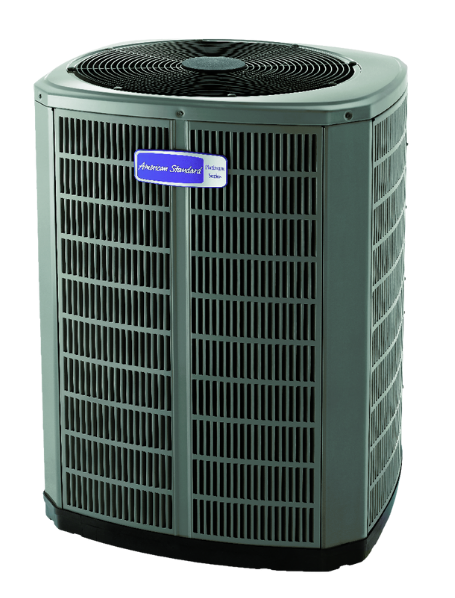
4. Clean Around Your Outdoor Unit
Although the cooling season is winding down, your outdoor HVAC unit still requires attention.
Leaves, grass clippings, dirt, and debris often accumulate around outdoor equipment throughout the year.
Fall cleaning tasks
- Remove leaves and debris
- Trim nearby vegetation
- Maintain at least two feet of clearance
- Inspect for visible damage
- Gently rinse away dirt buildup
Why this matters
Proper airflow remains important even during cooler months. A clean outdoor unit helps maintain system efficiency and prevents unnecessary strain on components.
5. Inspect Air Vents and Registers
Blocked or dirty vents can reduce comfort and efficiency throughout your home.
Take time during fall preparation to inspect every supply and return vent.
What to look for
- Dust accumulation
- Furniture blocking airflow
- Closed vents
- Damaged vent covers
- Restricted airflow
Benefits of clean vents
- More balanced temperatures
- Better airflow
- Improved efficiency
- Reduced system workload
Proper airflow is essential for maximizing heating performance during cooler weather.
6. Seal Air Leaks Around Your Home
Even the most efficient HVAC system will struggle if warm air escapes through gaps and cracks.
Fall is an excellent time to identify and seal air leaks before winter arrives.
Common leak locations
- Windows
- Exterior doors
- Attic access points
- Plumbing penetrations
- Electrical openings
- Basement and crawl space gaps
Sealing solutions
- Weatherstripping
- Caulking
- Door sweeps
- Expanding foam insulation
Benefits
Reducing air leaks can:
- Lower heating costs
- Improve comfort
- Reduce drafts
- Ease HVAC workload
- Increase overall energy efficiency
7. Evaluate Indoor Air Quality
As temperatures cool, families tend to spend more time indoors with windows closed.
This makes indoor air quality especially important during fall and winter.
Common indoor air quality concerns
- Dust
- Pet dander
- Mold spores
- Allergens
- Volatile organic compounds (VOCs)
Ways to improve indoor air quality
-
- Change air filters regularly
- Keep your home clean
- Consider whole-home air purification
- Maintain proper humidity levels
Cleaner indoor air contributes to a healthier and more comfortable home environment.
8. Check Insulation and Attic Efficiency
Proper insulation helps your HVAC system maintain comfortable indoor temperatures with less effort.
Fall is the ideal time to evaluate your home’s insulation levels before colder temperatures arrive.
Areas to inspect
- Attics
- Crawl spaces
- Exterior walls
- Garage ceilings
- Ductwork
Signs of inadequate insulation
- Uneven temperatures
- Drafty rooms
- High utility bills
- Frequent HVAC cycling
Benefits of improved insulation
- Lower heating costs
- Enhanced comfort
- Reduced energy waste
- Better HVAC performance
A well-insulated home allows your heating system to operate more efficiently throughout the season.
9. Create a Seasonal HVAC Maintenance Plan
One of the smartest things homeowners can do is establish a year-round HVAC maintenance schedule.
Preventive maintenance helps avoid surprises and keeps systems operating at peak performance.
Include these tasks
Monthly:
- Check filters
- Inspect vents
- Monitor thermostat performance
Seasonally:
- Schedule professional inspections
- Clean outdoor equipment
- Check insulation
- Evaluate airflow
Annually:
- Safety inspections
- Ductwork evaluation
Having a maintenance plan makes home comfort easier to manage and reduces the likelihood of expensive repairs.
Why Fall HVAC Preparation Matters
Many homeowners wait until they experience a problem before calling an HVAC professional.
Unfortunately, emergency repairs often occur during periods of peak demand when appointments may be limited.
Proactive fall maintenance offers several advantages:
Lower utility bills
Efficient systems consume less energy while delivering consistent comfort.
Fewer breakdowns
Preventive maintenance helps identify small issues before they become major failures.
Better comfort
Proper airflow, filtration, and system operation contribute to balanced indoor temperatures.
Longer equipment life
Well-maintained systems typically last longer and require fewer repairs.
Improved indoor air quality
Regular maintenance supports healthier indoor environments throughout the cooler months.
Frequently Asked Questions About Fall HVAC Preparation
What HVAC maintenance should be done in the fall?
Key tasks include changing filters, scheduling professional maintenance, checking thermostats, cleaning outdoor units, sealing air leaks, and inspecting insulation.
Why is fall the best time for HVAC maintenance?
Fall allows homeowners to prepare their systems before heavy heating demand begins, helping prevent winter breakdowns.
How often should HVAC filters be changed?
Most filters should be inspected monthly and replaced every one to three months depending on household conditions.
Should I cover my outdoor HVAC unit during winter?
Most modern systems do not require complete covering. Consult your HVAC professional for recommendations specific to your equipment.
Can a smart thermostat reduce heating costs?
Yes. Smart thermostats optimize temperature schedules and can improve energy efficiency throughout the heating season.
How do I know if my HVAC system needs professional service?
Signs include unusual noises, uneven temperatures, poor airflow, rising energy bills, or frequent cycling.
Does sealing air leaks really make a difference?
Absolutely. Air leaks can significantly increase heating costs and reduce overall comfort.
Prepare Now for a More Comfortable Fall and Winter
Taking time to complete a fall HVAC checklist can help you avoid unexpected problems, improve comfort, and lower energy expenses throughout the cooler months.
From replacing air filters and scheduling maintenance to sealing air leaks and evaluating insulation, every step contributes to a healthier, more efficient home.
By following these nine powerful fall HVAC checklist tips, you’ll be well prepared for a stress-free season and ready to enjoy reliable comfort no matter what the weather brings.
Contact Us
Contact Swinson Air Conditioning is your independently owned American Standard Heating and Air Conditioning Dealer, serving the Eastern Shore area. We are a locally owned and operated Customer Care Dealer and would love to become your HVAC contractor. Feel free to contact us via email or give us a call at 251-964-9009 for all of your HVAC needs this season.