
5 Surprising Reasons Your Heating System Struggles in Cold Weather
As the winter chill sets in across Alabama, many homeowners discover their heating systems aren’t performing as expected. You turn up the thermostat, yet some rooms remain cold, bills spike, or your furnace runs constantly without delivering adequate warmth.
Understanding why your heating system struggles in cold weather is key to protecting your home’s comfort, saving energy, and avoiding costly repairs. In this guide, we’ll explore five surprising reasons your system might be underperforming, along with solutions and expert tips to keep your home warm and cozy.
1. Dirty or Clogged Air Filters
Why It Matters
A dirty air filter is one of the most common culprits behind a struggling heating system. Air filters trap dust, allergens, and debris, preventing them from entering your home’s air. Over time, filters become clogged, reducing airflow and forcing your furnace or heat pump to work harder.
Signs of a Dirty Filter
- Reduced airflow from vents
- Uneven temperatures in rooms
- Increased energy bills
Solution
- Inspect and replace filters every 1–3 months, depending on use and the number of pets in your home.
- Consider upgrading to a high-efficiency HEPA or pleated filter for improved indoor air quality.
2. Leaky or Uninsulated Ductwork
Why It Matters
Even the most efficient furnace loses its power if heated air escapes through leaky ducts or poorly insulated runs. Studies suggest that 20–30% of heated air can be lost before it reaches living spaces.
Signs of Leaky Ducts
- Cold spots in rooms far from the furnace
- Dust accumulation near ducts
- Loud whistling noises from vents
Solution
- Hire a professional to seal ducts with mastic or metal tape.
- Insulate exposed ducts in unheated areas like attics or crawl spaces to prevent heat loss.
3. Malfunctioning Thermostat
Why It Matters
Your thermostat is the control center for your heating system. If it’s malfunctioning, outdated, or incorrectly programmed, your system may run inefficiently or fail to reach your desired temperature.
Common Issues
- Inconsistent temperature readings
- Furnace cycling too frequently or not enough
- Thermostat placement near drafts or direct sunlight
Solution
- Upgrade to a programmable or smart thermostat for accurate control.
- Place the thermostat in a central location away from heat sources or windows.
- Check settings to ensure heating schedules match your routine.
4. Low or Incorrect Fuel Supply
Why It Matters
For gas or oil furnaces, low fuel supply or improper combustion can prevent the system from generating sufficient heat. Even high-efficiency systems struggle if they don’t have the proper fuel or air mix.
Signs of Fuel Issues
- Furnace won’t ignite or keeps shutting off
- Strange odors near the unit
- Yellow or flickering burner flames
Solution
- Ensure gas or oil tanks are filled and checked regularly.
- Schedule annual professional maintenance to inspect burners and fuel lines.
- Replace worn components like igniters, gas valves, or fuel filters.
5. Frozen or Iced Components in Heat Pumps or Furnaces
Why It Matters
In cold weather, heat pumps or furnaces can develop ice on coils, blocked vents, or frozen condensate lines. This reduces efficiency and may cause the system to stop heating altogether.
Common Signs
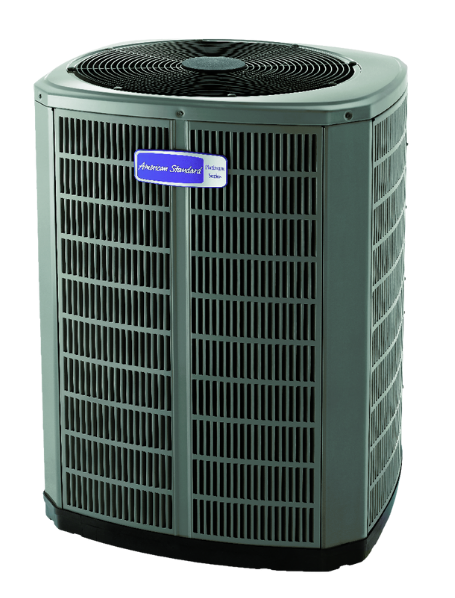
- Frost buildup on outdoor heat pump units
- Reduced airflow from vents
- Frequent system shutdowns
Solution
- Clear ice from heat pump coils carefully (never use sharp objects).
- Check and clear condensate drain lines.
- Ensure outdoor units have adequate clearance from snow and debris.
Tips to Prevent Heating System Struggles
- Schedule Annual HVAC Maintenance – Professional inspections catch issues before they turn into costly problems.
- Clean and Replace Filters Regularly – Essential for airflow and efficiency.
- Seal and Insulate Ductwork – Prevents heat loss and improves comfort.
- Install a Smart Thermostat – Save energy and maintain consistent temperatures.
- Keep Outdoor Units Clear – Snow, ice, and debris can block airflow.
- Monitor Fuel Levels and Combustion – Ensure your system has a steady supply.
- Educate Household Members – Encourage consistent thermostat use and avoid blocking vents.
Frequently Asked Questions
1. Why does my heating system run constantly but my house stays cold?
This often indicates restricted airflow, a dirty filter, or leaky ducts. A professional HVAC technician can diagnose the root cause and restore efficiency.
2. How often should I schedule heating system maintenance?
At least once a year, preferably in the fall, before cold weather hits. Maintenance includes cleaning, inspection, and performance testing.
3. Can a thermostat cause uneven heating in my home?
Yes. A malfunctioning or poorly placed thermostat can cause inconsistent temperatures or unnecessary cycling. Upgrading to a smart thermostat can solve these issues.
4. Are older heating systems less reliable in cold weather?
Older units may struggle due to worn components, reduced efficiency, or outdated technology. Upgrading can improve comfort, safety, and energy savings.
5. Can I prevent ice buildup on my heat pump?
Yes. Ensure outdoor units are free from snow, leaves, and debris, and schedule professional maintenance to inspect coils and refrigerant levels.
Contact Us
Swinson Air Conditioning is your independently owned American Standard Heating and Air Conditioning Dealer, proudly serving the Eastern Shore area. We are a locally owned and operated Customer Care Dealer and would love to become your trusted HVAC contractor.
Feel free to contact us via email or give us a call at 251-255-6031 for all of your heating system inspections, maintenance, and repairs this winter.