
5 Critical AC Airflow Fixes for Better Cooling Now
When your air conditioner isn’t cooling your home properly, most people assume the system is failing or low on refrigerant. But in reality, one of the most overlooked causes of poor performance is airflow.
Airflow is the foundation of how your HVAC system works. Without proper airflow, even a brand-new, high-efficiency air conditioner will struggle to keep your home comfortable—especially during hot, humid coastal summers along the Eastern Shore.
Understanding why AC airflow matters—and knowing how to fix common issues—can save you money, improve comfort, and extend the life of your system.
This guide breaks down exactly what airflow does, why it matters so much, and five simple but powerful fixes you can try today.
Why AC Airflow Is So Important
Your air conditioning system doesn’t just “make cold air.” Instead, it moves air across evaporator coils, removes heat and humidity, and circulates cooled air throughout your home.
If airflow is restricted or unbalanced, the entire process breaks down.
Poor airflow can lead to:
- Uneven room temperatures
- Higher energy bills
- Frozen evaporator coils
- Reduced humidity control
- Increased wear on system components
- Premature system failure
In coastal climates like the Eastern Shore, where humidity levels are high, airflow becomes even more critical. Your system must not only cool air but also remove moisture efficiently.
When airflow suffers, comfort suffers—and your HVAC system pays the price.
Common Signs of AC Airflow Problems
Before jumping into fixes, it helps to recognize the warning signs of poor airflow:
- Weak air coming from vents
- Hot and cold spots in different rooms
- AC running constantly but not cooling well
- Strange whistling or airflow noises
- Higher-than-usual energy bills
- Excess humidity indoors
If you’ve noticed one or more of these symptoms, your system is likely struggling with airflow restrictions or imbalance.
1. Replace Dirty Air Filters (The #1 Fix)
A clogged air filter is the most common airflow problem in homes.
When the filter becomes blocked with dust, pet hair, and debris, it restricts the amount of air entering your HVAC system. This forces your system to work harder while delivering less cooling.
Why it matters:
Restricted airflow from dirty filters can lead to:
- Reduced cooling efficiency
- Frozen evaporator coils
- Higher utility bills
- Overworked blower motors
The fix:
Replace or clean your air filter every 30–60 days during peak cooling season. Homes with pets or allergy concerns may need more frequent changes.
A clean filter immediately improves airflow and system performance.
2. Unblock Vents and Registers
Air vents are the delivery points for cooled air. If they’re blocked, airflow becomes uneven and inefficient.
Common blockages include:
- Furniture placed over vents
- Curtains or rugs covering registers
- Closed or partially closed vents
- Dust buildup inside vent openings
Why it matters:
Blocked vents cause pressure imbalances inside your duct system, making your HVAC unit work harder to push air through restricted pathways.
The fix:
Walk through your home and ensure all vents are fully open and unobstructed. Even partial blockage can reduce airflow significantly.
Good airflow distribution is essential for consistent cooling across all rooms.
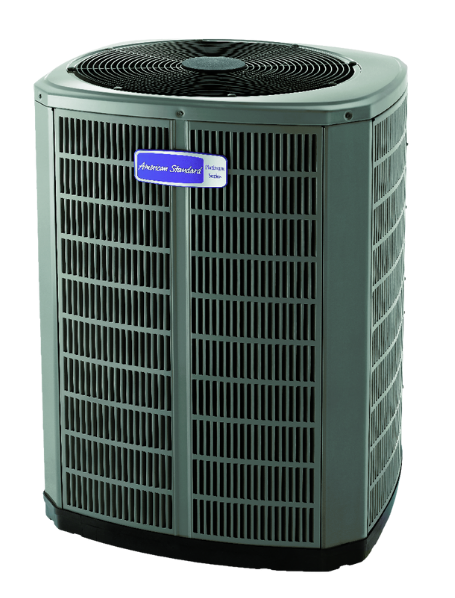
3. Clean the Outdoor Condenser Unit
Your outdoor AC unit plays a crucial role in heat exchange. If it’s clogged with dirt, leaves, or debris, airflow and heat release are restricted.
Why it matters:
When the condenser cannot release heat efficiently, your system:
- Overheats
- Loses cooling capacity
- Consumes more electricity
- Experiences compressor strain
The fix:
Keep at least 2–3 feet of clear space around your outdoor unit. Remove:
- Grass clippings
- Leaves
- Dirt buildup
- Nearby vegetation
You can gently rinse the unit with a garden hose (low pressure only) to remove surface debris.
A clean outdoor unit improves system airflow and overall efficiency.
4. Check for Leaky or Damaged Ductwork
Your duct system is responsible for carrying cooled air throughout your home. If there are leaks, cracks, or loose connections, airflow is lost before it ever reaches your rooms.
Why it matters:
Leaky ducts can waste up to 20–30% of conditioned air in some homes, especially in older systems.
This leads to:
- Weak airflow in rooms far from the unit
- Increased energy consumption
- Inconsistent temperatures
- Overworked HVAC equipment
The fix:
Inspect visible ductwork in attics, crawl spaces, or basements for:
- Disconnected joints
- Visible holes or gaps
- Torn insulation
Sealing small leaks with HVAC-approved foil tape can help, but larger issues should be handled by a professional.
Proper duct integrity is essential for balanced airflow and energy efficiency.
5. Upgrade or Adjust Your Thermostat Settings
Your thermostat plays a bigger role in airflow than most homeowners realize. Improper settings or outdated devices can cause your system to run inefficiently.
Why it matters:
Incorrect thermostat settings can lead to:
- Short cycling (frequent on/off cycles)
- Uneven cooling
- Overworked blower motors
- Poor humidity control
The fix:
Set your thermostat between 74°F and 78°F for optimal efficiency. If you’re using a manual thermostat, consider upgrading to a programmable or smart thermostat.
Smart thermostats help regulate airflow more efficiently by optimizing runtime and reducing unnecessary strain on your system.
Bonus Tip: Keep Your Blower Motor Clean and Functional
Your blower motor is responsible for pushing air through your ducts. If it becomes dirty or worn out, airflow will weaken significantly.
While this isn’t a DIY repair, it’s something to watch for. Signs of blower issues include:
- Weak airflow even when the system is running
- Strange rattling or humming noises
- Inconsistent cooling performance
A professional HVAC technician can clean or repair the blower assembly during routine maintenance.
How Poor Airflow Affects Energy Bills
One of the most overlooked consequences of airflow problems is rising energy costs.
When airflow is restricted, your system compensates by running longer cycles. This increases electricity usage while reducing overall comfort.
In fact, poor airflow can increase cooling costs by 10%–40% depending on severity.
That means a simple clogged filter or blocked vent could be costing you significantly every month.
Preventing Future Airflow Problems
Once you fix existing issues, it’s important to maintain good airflow habits:
-
- Change filters regularly
- Keep vents open and clear
- Clean around outdoor units
- Monitor for unusual system behavior
- Inspect ductwork periodically
Preventive maintenance is the easiest way to avoid expensive repairs and keep your system running efficiently year-round.
Why Professional HVAC Maintenance Matters
Even if your system seems fine, airflow problems can develop slowly and go unnoticed. A professional HVAC inspection can detect hidden issues like:
- Internal duct leaks
- Dirty evaporator coils
- Weak blower performance
- Refrigerant imbalance affecting airflow
- Electrical or mechanical restrictions
Routine maintenance ensures your system is operating at peak airflow efficiency, especially during peak cooling season.
For homeowners in coastal regions like the Eastern Shore, this is especially important due to humidity and heavy AC usage.
That’s where Swinson Air Conditioning provides reliable, professional HVAC service to keep systems running smoothly.
Frequently Asked Questions (FAQs)
1. What causes weak airflow from AC vents?
Weak airflow is commonly caused by dirty air filters, blocked vents, leaky ductwork, or a failing blower motor.
2. Can dirty filters really affect airflow that much?
Yes. A clogged filter is one of the biggest causes of restricted airflow and can significantly reduce cooling performance.
3. How often should I check my HVAC air filter?
Every 30–60 days during the cooling season. Homes with pets or allergies may need more frequent changes.
4. Why is one room hotter than the others?
This is often caused by duct imbalances, blocked vents, or airflow leaks in the duct system.
5. Does closing vents in unused rooms help airflow?
No. Closing vents can actually disrupt system balance and reduce overall airflow efficiency.
6. Can airflow problems damage my AC system?
Yes. Poor airflow can cause overheating, frozen coils, and increased strain on key components.
7. When should I call an HVAC professional?
If airflow problems persist after basic fixes—or if you notice weak cooling, strange noises, or rising energy bills—it’s time for professional service.
Contact Us
Contact Us Swinson Air Conditioning is your independently owned American Standard Heating and Air Conditioning Dealer, serving the Eastern Shore area. We are a locally owned and operated Customer Care Dealer and would love to become your HVAC contractor. Feel free to contact us via email or give us a call at 251-964-9009 for all of your HVAC needs this season.