
7 Effective Energy-Saving Heating Tips to Lower Winter Bills
Winter heating costs can add up quickly, especially when your HVAC system has to work harder to maintain a comfortable indoor temperature. While you cannot control outdoor temperatures or utility rates, you can take practical steps to improve heating efficiency, reduce energy waste, and keep your home comfortable throughout the season.
The good news is that lowering your winter heating bills does not always require a major home improvement project. Simple changes such as adjusting your thermostat, replacing a dirty air filter, sealing air leaks, and scheduling professional HVAC maintenance can help your heating system operate more efficiently. The U.S. Department of Energy recommends combining proper equipment maintenance with thermostat management, air sealing, insulation, and other whole-home efficiency measures to reduce energy use.
For homeowners on the Eastern Shore, preparing your heating system before colder weather arrives can also help prevent unexpected HVAC problems. Here are seven effective energy-saving heating tips to help lower your bills this winter while maintaining a comfortable home.
1. Adjust Your Thermostat for Better Energy Savings
One of the easiest ways to reduce heating costs is to pay attention to your thermostat settings. Heating an empty home or maintaining a higher temperature while everyone is asleep can waste energy.
During the winter, consider lowering the thermostat when your family is sleeping or away from home. The Department of Energy notes that lowering the thermostat by 7 to 10 degrees Fahrenheit for eight hours a day can save as much as 10% per year on heating and cooling when the system and thermostat are appropriate for that strategy.
A programmable or smart thermostat can make this process easier. Instead of remembering to change the temperature manually, you can create a schedule based on your household’s routine.
For example, you might use a more energy-conscious setting while everyone is at work or school and have the thermostat return to a comfortable temperature before everyone arrives home.
However, homeowners with heat pumps should be careful about large manual temperature setbacks. Depending on the system, an aggressive adjustment can activate supplemental electric resistance heat, which may consume more energy. The Department of Energy specifically recommends using controls designed for heat pump operation when applying temperature setbacks.
If you are unsure about the best thermostat settings for your heating system, an HVAC professional can help you determine an appropriate schedule.
2. Replace Your HVAC Filter Regularly
A clean air filter is another simple but important part of an energy-efficient heating system. When a filter becomes clogged with dust, dirt, and other particles, airflow can become restricted.
Restricted airflow can make your HVAC system work harder to distribute heated air throughout your home. Your system may also run longer to reach the temperature selected on your thermostat.
The Department of Energy recommends checking central heating filters regularly and replacing them when they become dirty, with a minimum replacement schedule of at least every three months for many systems. Actual replacement needs can vary depending on the filter, HVAC equipment, pets, household conditions, and other factors.
During winter, make checking your filter part of your regular home maintenance routine. If you have pets, allergies, construction dust, or other conditions that cause the filter to become dirty quickly, you may need to check it more frequently.
A clean filter supports better airflow and can help your heating system operate without unnecessary strain.
It is also important to use the correct filter size and type recommended for your HVAC system. Installing a filter that is too restrictive for your equipment may affect airflow, so ask an HVAC professional if you are uncertain about the appropriate option.
3. Schedule Professional Heating Maintenance
Regular HVAC maintenance can help identify problems before they turn into expensive heating repairs. It can also help your system operate more efficiently throughout the winter.
During a professional heating tune-up, an HVAC technician can inspect important components, check system operation, examine airflow, and identify potential issues that may affect performance.
Professional maintenance is particularly important before your heating system has to operate regularly. A small problem that goes unnoticed in mild weather could become a major issue when temperatures drop and your system is running more frequently.
The Department of Energy recommends professional annual maintenance for furnaces and heat pumps as part of home energy management.
Maintenance can also help you identify an aging or inefficient heating system before it fails unexpectedly. If your equipment is older, requires frequent repairs, struggles to maintain comfortable temperatures, or causes unusually high energy bills, an HVAC professional can evaluate its condition and discuss your options.
Regular maintenance does not guarantee that a system will never break down, but it can provide an opportunity to address developing issues before they become more disruptive.
4. Seal Air Leaks Around Your Home
Even an efficient heating system can waste energy if warm air escapes through gaps and cracks around your home.
Air leaks can occur around windows, doors, plumbing penetrations, vents, attic access points, and other areas where the building envelope is not properly sealed. Cold outdoor air can enter through these openings while heated indoor air escapes.
Weatherstripping and caulking can be relatively simple ways to address some common air leaks. The Department of Energy also recommends weatherization measures such as sealing gaps, improving insulation, and using window coverings to help reduce heat loss.
Start by checking areas where you can see or feel drafts. Pay special attention to exterior doors and windows.
Window coverings can also help. Opening curtains or shades during sunny winter days can allow natural sunlight to warm certain rooms, while closing them at night can help reduce the chill associated with cold windows.
For larger air leaks or insulation concerns, consider having your home evaluated by a qualified professional. Improving the home’s envelope can reduce the workload placed on your heating system.
5. Keep Vents and Registers Clear
Your HVAC system needs adequate airflow to distribute heated air effectively. Furniture, rugs, curtains, boxes, and other household items can accidentally block supply vents or registers.
Walk through your home and check that vents are open and unobstructed. Avoid placing furniture directly over registers or arranging heavy curtains in a way that blocks airflow.
Blocked vents can interfere with air distribution and may contribute to uneven temperatures between rooms. If one part of your home feels warm while another remains noticeably cold, the problem may involve airflow, ductwork, insulation, thermostat placement, or HVAC performance.
Do not simply close multiple vents in an attempt to force more heat into one room. Your heating system is designed to operate with a particular airflow pattern, and changing that pattern significantly can create other performance problems.
If certain rooms consistently feel colder than others, have an HVAC professional inspect the system and ductwork. There may be an underlying airflow issue that needs to be addressed.
6. Use Your Ceiling Fans to Circulate Warm Air
Ceiling fans are often associated with summer cooling, but they can also help distribute warm air during winter.
Warm air naturally rises. If your ceiling fan has a reverse setting, switching the fan to a low-speed winter direction can help move warm air downward into the living space.
The Department of Energy recommends reversing a ceiling fan and operating it at low speed during winter to help circulate warm air.
The goal is not to make the fan itself produce heat. Instead, it helps redistribute air that has already been heated by your HVAC system.
This can be especially useful in rooms with high ceilings, where warm air can collect near the ceiling instead of remaining within the occupied area.
Keep the fan on a low setting rather than using a high speed that could create an unwanted cooling sensation. Turn the fan off when the room is unoccupied so you are not using electricity unnecessarily.
7. Consider an Energy-Efficient Heating System
If your heating system is old, inefficient, or frequently needs repairs, replacing it may provide an opportunity to improve long-term energy efficiency.
Today’s HVAC equipment can offer efficiency improvements compared with older systems, but choosing the right equipment is about more than simply purchasing the highest-efficiency model available.
Proper sizing, installation, ductwork, insulation, thermostat controls, and maintenance all affect how well a heating system performs. The Department of Energy emphasizes that heating and cooling upgrades should take a whole-home approach and that equipment should be properly sized and installed for the home.
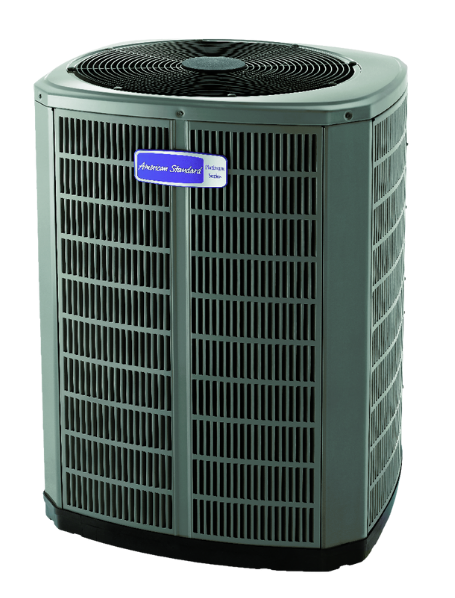
Heat pumps can also be an option for homeowners looking for energy-efficient heating and cooling. Unlike systems that generate heat directly, heat pumps transfer heat, allowing them to provide both heating and cooling from the same basic system.
Whether a heat pump, furnace, or another heating solution makes sense depends on your home’s design, existing HVAC system, energy source, comfort needs, and budget.
If your system is approaching the end of its service life, an HVAC professional can evaluate its current performance and help you understand whether continued repairs or replacement makes more sense.
Why Heating Efficiency Matters During Winter
Lowering your heating bill is not only about turning down the thermostat. Your home’s comfort depends on how efficiently the entire heating system operates.
A system with restricted airflow, dirty filters, ductwork problems, thermostat issues, or poor maintenance may need to run longer to provide the same amount of comfort.
Likewise, a home with air leaks or insufficient insulation can lose heated air faster, increasing the workload on the HVAC system.
That is why a whole-home approach can be more effective than relying on one energy-saving measure. The Department of Energy recommends considering equipment, insulation, air sealing, controls, and other aspects of the home together when pursuing energy savings.
For Eastern Shore homeowners, winter may not bring the same extreme temperatures experienced in northern states, but heating efficiency still matters. A well-maintained HVAC system can help keep indoor temperatures comfortable while avoiding unnecessary energy use.
Simple Winter Heating Habits That Can Save Energy
Along with the seven heating tips above, a few everyday habits can help you use less energy during winter.
Keep interior doors open when appropriate so heated air can circulate naturally throughout your home. Use curtains and blinds strategically to take advantage of daytime sunlight and reduce heat loss after dark.
Wear comfortable layers when possible instead of immediately raising the thermostat when you feel chilly. Using blankets and warm clothing can allow you to maintain a slightly lower indoor temperature without sacrificing comfort.
Pay attention to changes in your energy bills, too. A sudden increase that cannot be explained by weather, occupancy, or other household changes may indicate that your heating system needs attention.
If your HVAC system is running constantly, producing unusual sounds, struggling to reach the thermostat setting, or creating uneven temperatures, schedule an inspection rather than allowing the problem to continue.
When to Call an HVAC Professional
Some energy-saving improvements are simple homeowner tasks, but HVAC problems should be evaluated by a qualified professional.
Contact an HVAC contractor if your heating system is frequently turning on and off, running much longer than usual, producing unusual odors or noises, failing to maintain the desired temperature, or causing unexplained increases in energy costs.
You should also schedule professional service if your heating system has not received routine maintenance or if you are unsure whether it is operating efficiently.
Professional attention can help identify problems involving airflow, electrical components, controls, ductwork, system performance, and other HVAC components.
Addressing a problem early may also help prevent a minor issue from becoming a larger repair during the middle of winter.
Frequently Asked Questions About Saving on Heating Bills
1. What is the easiest way to lower my heating bill?
Adjusting your thermostat, replacing a dirty air filter, and preventing unnecessary heat loss are among the simplest steps homeowners can take. A programmable or smart thermostat can also help automate temperature adjustments.
2. How often should I change my HVAC filter?
It depends on your filter and household conditions. The Department of Energy recommends checking central heating filters regularly and replacing dirty filters, with many filters needing replacement at least every three months.
3. Does lowering the thermostat really save energy?
Yes. Lowering the temperature reduces the amount of heat your home loses over time. The Department of Energy says lowering a thermostat by 7 to 10 degrees for eight hours a day can save as much as 10% annually on heating and cooling for appropriate systems.
4. Should I turn my heat pump off when I leave home?
Not necessarily. Heat pumps operate differently from conventional heating systems, and large thermostat changes can sometimes trigger supplemental electric resistance heating. Use a thermostat and settings designed for your specific heat pump system.
5. Can ceiling fans help lower heating costs?
Ceiling fans can help distribute warm air when operated in the appropriate winter direction at low speed. This can improve air circulation and make heated rooms feel more comfortable.
6. Why is my HVAC system running constantly in winter?
Continuous operation can result from very cold outdoor conditions, thermostat settings, poor insulation, restricted airflow, ductwork issues, or an HVAC system that is struggling to meet the home’s heating demand. An HVAC professional can determine the underlying cause.
7. Is HVAC maintenance important for energy efficiency?
Yes. Regular maintenance can help identify problems that may affect system performance and efficiency. The Department of Energy recommends professional annual maintenance for furnaces and heat pumps.
8. Should I replace my old heating system to save money?
Replacement may make sense if your system is aging, inefficient, frequently breaking down, or no longer providing reliable comfort. An HVAC professional can evaluate your existing equipment and discuss whether repair, continued maintenance, or replacement is appropriate.
9. Can air leaks increase heating costs?
Yes. Gaps and cracks around windows, doors, and other areas can allow heated indoor air to escape and cold outdoor air to enter. Weatherstripping, caulking, insulation, and other weatherization measures can help reduce unwanted heat loss.
10. What should I do before the winter heating season begins?
Start with a heating system inspection, replace a dirty air filter, check your thermostat, make sure vents are unobstructed, inspect doors and windows for drafts, and address HVAC problems before you need your system regularly.
Contact Us
If you are interested in improving your home’s heating efficiency and lowering energy costs this winter, contact Swinson Air Conditioning. Swinson Air Conditioning is your independently owned American Standard Heating and Air Conditioning Dealer, serving the Eastern Shore area. We are a locally owned and operated Customer Care Dealer and would love to become your HVAC contractor. Feel free to contact us via email or give us a call at 251-964-9009 for all of your HVAC needs this season.