5 Critical Winter HVAC Emergencies and How to Prevent Them
Winter HVAC emergencies can disrupt your comfort, increase energy bills, and leave your household struggling to stay warm when temperatures drop. From a heating system that suddenly stops working to a malfunctioning heat pump or a clogged air filter that restricts airflow, unexpected HVAC problems can quickly become stressful for homeowners.
For families along Alabama’s Eastern Shore, winter temperatures can fluctuate throughout the season. Even when the weather is relatively mild, a reliable heating system is important for maintaining a comfortable indoor environment. Preparing your HVAC equipment before colder weather arrives can help reduce the risk of sudden breakdowns and costly emergency repairs.
The good news is that many winter HVAC emergencies show warning signs before they become serious. Unusual noises, inconsistent heating, short cycling, and unexpected increases in energy bills can all indicate that your system needs attention.
Understanding these warning signs and knowing how to respond can help you protect your HVAC system, maintain indoor comfort, and avoid preventable problems.
In this guide, we will explore five common winter HVAC emergencies, explain what causes them, and share practical prevention tips to help keep your heating system operating reliably throughout the season.
1. Heating System Failure During Cold Weather
A heating system that suddenly stops working is one of the most frustrating winter HVAC emergencies. When your furnace or heat pump fails to produce warm air, indoor temperatures can fall quickly, especially during an extended cold spell.
Heating system failures can result from several issues, including electrical problems, thermostat malfunctions, restricted airflow, worn components, ignition problems in furnaces, or mechanical failures.
Sometimes, the cause is relatively simple. A thermostat may be set incorrectly, a circuit breaker may have tripped, or a dirty air filter may be interfering with system operation. Other situations require professional HVAC troubleshooting and repair.
Warning Signs of an Impending Heating Failure
Your heating system may show signs of trouble before it stops working completely. Watch for:
- Warm air that suddenly becomes cool or disappears.
- A heating system that runs continuously without reaching the thermostat setting.
- Frequent shutdowns or repeated starting and stopping.
- Unusual buzzing, rattling, grinding, or banging sounds.
- Unexpected increases in heating costs.
- A thermostat that appears to be working but does not control indoor temperatures properly.
These symptoms do not always mean a complete breakdown is imminent, but they should not be ignored.
How to Prevent Heating System Failure
The best prevention strategy is to maintain your HVAC system regularly and address small problems before they become major repairs.
Schedule professional heating maintenance before the coldest part of the season. During a maintenance visit, an HVAC technician can inspect key components, check system operation, evaluate airflow, and identify potential concerns.
Homeowners should also replace or clean HVAC filters according to the manufacturer’s recommendations. A dirty filter can restrict airflow and contribute to system performance problems.
Check your thermostat settings and replace its batteries if applicable. Make sure the heating system has power and that accessible supply vents and return grilles are not blocked.
If your system repeatedly shuts down, produces unusual noises, or struggles to maintain the desired temperature, arrange professional service instead of repeatedly resetting the equipment.
Prevention tip: Do not wait until your heating system stops working to schedule maintenance. Early attention can help you identify problems while you still have time to address them before colder weather arrives.
2. Heat Pump Problems and Unexpected Loss of Heat
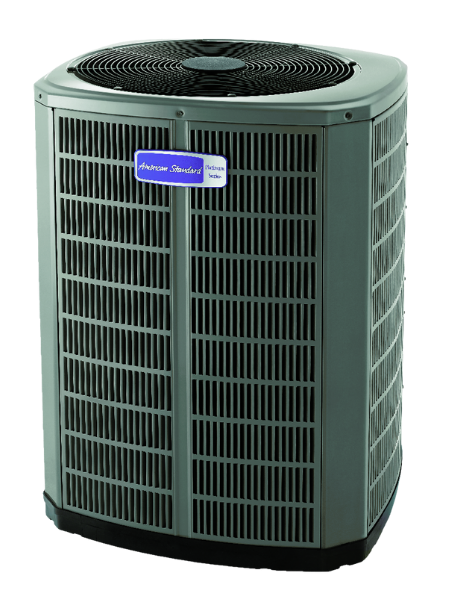
Heat pumps are common in Alabama because they provide both heating and cooling. Rather than generating heat entirely through electric resistance, a heat pump transfers heat from one location to another.
Although heat pumps can operate efficiently in many winter conditions, they may experience problems that reduce heating performance or interrupt comfort.
Some changes in operation are normal. For example, a heat pump may temporarily enter a defrost cycle during cold, damp weather to remove frost from its outdoor coil. During this process, the outdoor unit may release water or steam, and the system’s heating output may temporarily change.
However, persistent ice buildup, unusual noises, or a sustained lack of heat may indicate a problem that requires attention.
Common Heat Pump Warning Signs
Pay attention to these symptoms during winter:
- The home remains cold even though the thermostat is calling for heat.
- The outdoor unit is covered in persistent ice rather than a temporary layer of frost.
- The system frequently switches between operating modes.
- Airflow from indoor vents is unusually weak.
- The heat pump makes unfamiliar grinding, buzzing, or banging noises.
- Auxiliary heat operates more often than expected.
Cold air from the vents does not automatically mean a heat pump is malfunctioning. Heat pumps may deliver air that feels less hot than air from a conventional furnace. The important consideration is whether the system is maintaining the indoor temperature as expected.
How to Prevent Heat Pump Emergencies
Keep the outdoor unit clear of leaves, grass clippings, and other debris. Maintain the clearance recommended by the manufacturer so air can move freely around the unit.
Do not cover the outdoor heat pump during normal operation. Avoid chipping ice from the coil or using sharp tools, hot water, or other improvised defrosting methods that could damage the equipment.
Keep the indoor filter clean and ensure that supply vents and return grilles remain unobstructed.
Use thermostat settings recommended for your particular heat pump. Large temperature setbacks may trigger auxiliary electric resistance heating in some systems, potentially increasing electricity use.
Most importantly, arrange professional maintenance to check the heat pump’s heating performance, controls, electrical components, and other critical parts.
Prevention tip: If the outdoor unit develops heavy ice that does not clear through its normal defrost cycle, or the system cannot keep your home warm, contact an HVAC professional for an inspection.
3. Frozen or Damaged HVAC Components and Condensate Lines
Freezing temperatures can affect certain HVAC components, particularly in areas exposed to outdoor conditions or insufficient protection. Depending on the system, condensate drainage components, exposed water lines associated with particular equipment, and other vulnerable parts may be at risk.
Not every HVAC system has the same freezing risks. For example, some high-efficiency furnaces produce condensate during operation, and their drainage systems may be vulnerable if exposed to freezing conditions. Heat pumps also produce condensate during defrost cycles, which can collect beneath the outdoor unit.
When water cannot drain properly, it may freeze and create operational problems or physical damage.
Warning Signs of Frozen HVAC Components
Possible warning signs include:
- Water collecting near indoor HVAC equipment.
- A furnace shutting down after a condensate drainage problem.
- Ice accumulates in an area where drainage should occur.
- Unusual leaks or moisture around HVAC components.
- A heating system that stops operating after freezing weather.
Some symptoms can resemble other mechanical or drainage problems. A qualified technician can determine the source of the issue and recommend the appropriate repair.
How to Prevent Freezing-Related HVAC Problems
Before winter, ask an HVAC professional to inspect any condensate drainage components associated with your system. Confirm that the drain is clear and that exposed components are protected according to manufacturer instructions and local requirements.
If your equipment has an outdoor condensate discharge, make sure water can drain safely without creating a hazardous sheet of ice on a walkway or driveway.
Keep outdoor equipment installed and maintained according to the manufacturer’s specifications. Do not wrap or enclose components in ways that interfere with airflow or normal operation.
If an indoor drain line freezes or a furnace shuts down because of a suspected drainage problem, follow the manufacturer’s instructions and contact an HVAC technician. Avoid applying open flames or high heat to pipes or equipment.
Prevention tip: If your HVAC system has experienced drainage issues before, mention them during your seasonal maintenance appointment. Recurring problems may require a more durable repair rather than repeated temporary fixes.
4. Electrical Problems and HVAC System Shutdowns
Heating systems rely on electrical components to operate safely and reliably. Thermostats, control boards, motors, capacitors, relays, and other components can malfunction or wear out over time.
An electrical issue may cause your HVAC system to stop operating, cycle unpredictably, or fail to start when the thermostat calls for heat.
Although some problems may be related to a tripped circuit breaker, repeated electrical interruptions can indicate an underlying fault. Simply resetting the breaker repeatedly will not resolve the cause and may create additional safety risks.
Signs of an HVAC Electrical Problem
Watch for these warning signs:
- The heating system will not turn on.
- The circuit breaker trips repeatedly.
- You hear unusual buzzing or clicking from the equipment.
- The system starts and stops unexpectedly.
- You notice a burning odor near the HVAC equipment.
- Thermostat controls or system displays stop functioning properly.
A burning smell should never be ignored. If you notice smoke, sparks, or signs of an electrical fire, leave the affected area and contact emergency services. If it is safe to do so, avoid using the equipment until it has been inspected.
How to Prevent Electrical HVAC Emergencies
Schedule regular professional HVAC maintenance. A technician can inspect accessible electrical connections, check controls, and identify signs of component deterioration.
Keep the area around your HVAC equipment clean and accessible. Avoid storing flammable materials near heating equipment, and follow the manufacturer’s clearance requirements.
Homeowners should not open electrical panels inside HVAC equipment, bypass safety switches, or attempt repairs involving live electrical components.
If a circuit breaker trips repeatedly, contact a qualified professional rather than continuing to reset it. The problem may involve the HVAC system, the electrical circuit, or another component that requires proper diagnosis.
Prevention tip: If your heating system repeatedly loses power or produces unusual electrical noises, stop relying on repeated restarts and arrange professional troubleshooting.
5. Carbon Monoxide Risks and Heating Safety Problems
Carbon monoxide is an odorless, colorless gas that can cause serious illness or death. It can be produced by fuel-burning appliances, including gas furnaces, when combustion or venting problems occur.
Not every HVAC system produces carbon monoxide. Electric heat pumps, for example, do not generate carbon monoxide through their normal heating process. However, homes may have other fuel-burning appliances, fireplaces, or attached garages that create carbon monoxide risks.
Because carbon monoxide cannot be detected by smell, homeowners should never rely on their senses to determine whether indoor air is safe.
Warning Signs and Symptoms
Possible symptoms of carbon monoxide exposure include headache, dizziness, weakness, nausea, vomiting, chest pain, and confusion. Symptoms may affect several people in the same building and can resemble the flu.
A carbon monoxide alarm may also alert you to a dangerous concentration.
If your carbon monoxide alarm sounds or you suspect exposure, leave the building immediately and get everyone outside into fresh air. Call emergency services or your local fire department from outside, and do not reenter until authorities say it is safe.
Do not attempt to troubleshoot a suspected carbon monoxide problem while remaining indoors.
How to Prevent Carbon Monoxide Emergencies
Have fuel-burning heating equipment inspected and maintained by a qualified professional. Make sure vents and flues are installed correctly and remain unobstructed.
Install carbon monoxide alarms according to manufacturer instructions and applicable local requirements. Follow the recommended placement, testing, and replacement schedule.
Never use an oven, outdoor grill, generator, or other appliance that is not designed for indoor heating to warm your home. Keep generators outdoors and away from doors, windows, and ventilation openings according to safety guidance.
If your home has a gas furnace, ask your HVAC professional to inspect the combustion and venting systems as part of appropriate maintenance.
Prevention tip: Carbon monoxide safety requires both properly maintained fuel-burning equipment and functioning alarms. If an alarm sounds, evacuate first and investigate only after emergency personnel determine that it is safe.
Why Preventive HVAC Maintenance Matters in Winter
Regular HVAC maintenance helps homeowners identify potential issues before the heating system must operate heavily during colder weather.
Without maintenance, minor problems can become more disruptive. A dirty filter may restrict airflow, a worn component may stop working, or an unnoticed drainage issue may lead to a system shutdown.
A professional inspection can help evaluate system performance, check important components, and identify maintenance or repair needs.
Preventive maintenance may also support energy efficiency. When airflow is restricted or equipment is not operating correctly, the system may use more energy to provide the desired level of comfort.
However, maintenance cannot eliminate every risk. Equipment age, severe weather, electrical problems, and unexpected component failures can still cause breakdowns.
Homeowners can support reliable operation by combining professional service with simple routine tasks. Replace filters as recommended, keep vents clear, monitor thermostat settings, and pay attention to unusual sounds, odors, or changes in heating performance.
If you notice a new problem, arrange an inspection promptly rather than waiting until the system stops working completely.
What to Do During a Winter HVAC Emergency
Knowing how to respond can help protect your household and reduce the chance of additional equipment damage.
- Check the thermostat. Confirm that it is set to the correct mode and temperature.
- Inspect the air filter. If it is dirty, replace it with the correct type and size.
- Check the circuit breaker once if safe. If it has tripped repeatedly or trips again, do not keep resetting it.
- Look for obvious obstructions. Make sure indoor vents and the outdoor heat pump area are clear.
- Watch for safety hazards. Smoke, sparks, gas odors, or a carbon monoxide alarm require immediate safety action rather than routine troubleshooting.
- Contact an HVAC professional. Explain the symptoms, when they started, and any changes you noticed.
If the heating system stops working during cold weather, use safe alternative methods to stay warm. Wear layers, gather in a comfortable room, and follow local cold-weather guidance. Never use outdoor cooking equipment or fuel-burning appliances indoors for heat.
For homes with vulnerable occupants, including older adults, infants, or people with certain medical needs, make alternative arrangements if indoor temperatures become unsafe.
Frequently Asked Questions About Winter HVAC Emergencies
1. What are the most common winter HVAC emergencies?
Common problems include heating system failures, heat pump malfunctions, frozen condensate components, electrical failures, and heating safety concerns involving fuel-burning equipment. Routine maintenance can help identify some problems before they become emergencies.
2. Why is my heating system running but not warming my home?
Possible causes include a dirty air filter, thermostat issues, restricted airflow, ductwork problems, or a malfunctioning heating component. Heat pumps may also deliver air that feels cooler than furnace air while operating normally. If your home cannot reach the desired temperature, schedule an HVAC inspection.
3. How often should I schedule winter HVAC maintenance?
Many homeowners schedule professional heating maintenance annually, ideally before the heating season begins. Follow your equipment manufacturer’s recommendations and arrange additional service if your system shows signs of trouble.
4. Can a dirty air filter cause my heating system to stop working?
Yes. A severely clogged filter can restrict airflow and may cause certain systems to overheat, shut down, or operate inefficiently. Check your filter regularly and replace it according to the manufacturer’s recommendations.
5. Is ice on my outdoor heat pump always a problem?
No. A light coating of frost can occur during cold, damp weather, and heat pumps periodically run defrost cycles. Persistent heavy ice that does not clear normally, unusual noises, or a loss of heating performance should be checked by a professional.
6. What should I do if my HVAC circuit breaker keeps tripping?
Stop repeatedly resetting the breaker. Repeated tripping may indicate an electrical fault or equipment problem. Contact a qualified HVAC technician or electrician to determine the cause.
7. How can I protect my HVAC system during freezing weather?
Maintain your equipment, replace dirty filters, keep outdoor units clear, and follow the manufacturer’s recommendations for winter operation. If your system has condensate drainage components that may be exposed to freezing temperatures, ask a professional how to protect them appropriately.
8. What should I do if I suspect carbon monoxide in my home?
Leave the building immediately and move everyone into fresh air. Call emergency services from outside and do not reenter until authorities say it is safe. Never ignore a carbon monoxide alarm or attempt to locate the source while remaining inside.
9. Can preventive maintenance eliminate HVAC breakdowns?
No maintenance plan can guarantee that a system will never fail. However, professional inspections can identify certain developing issues, support efficient operation, and help reduce the risk of some unexpected breakdowns.
10. When should I call an HVAC professional for winter heating problems?
Call when your heating system cannot maintain the desired temperature, repeatedly shuts down, makes unusual noises, develops persistent ice buildup, or causes unexplained energy increases. Seek immediate emergency assistance for suspected carbon monoxide exposure, smoke, fire, or other dangerous conditions.
Contact Us
If you want to reduce the risk of winter HVAC emergencies and keep your home comfortable throughout the colder months, contact Swinson Air Conditioning. Swinson Air Conditioning is your independently owned American Standard Heating and Air Conditioning Dealer, serving the Eastern Shore area. We are a locally owned and operated Customer Care Dealer and would love to become your HVAC contractor. Feel free to contact us via email or give us a call at 251-964-9009 for all of your HVAC needs this season.